The Mother-of-Pearl and Tabletterie Museum
The memory of a unique craft
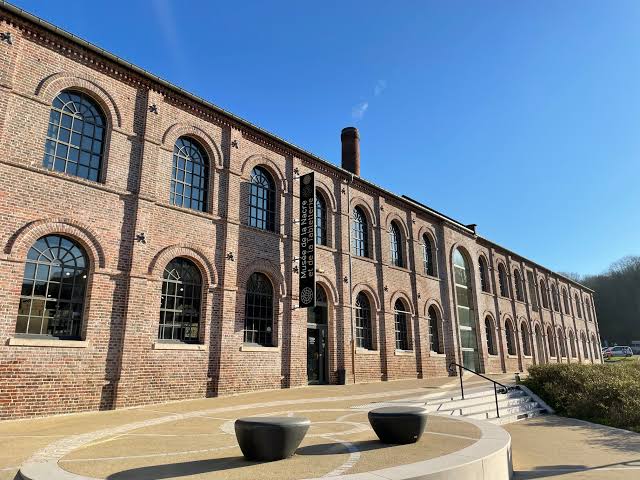
In Méru, in the former Fessart-Dégremont factory, the Mother-of-Pearl and Tabletterie Museum immerses you in the fascinating world of a precious material and a craft that made the area famous.
What is tabletterie?
Tabletterie is the art of using hard natural materials, of animal origin such as bone, horn, ivory, mother-of-pearl or tortoiseshell, or of plant origin such as wood or corozo, to make a wide variety of small objects: buttons, dominoes, fans, jewellery, toiletry items…
The French word for mother-of-pearl, nacre, comes from the Persian nakkar, meaning “beautiful and shimmering”. The shells, from all over the world, reached the workshops of the Oise from the ports of Rouen and Le Havre, by cart and then, from 1875, by train.
From factory to museum
Louis Fessart builds a modern factory for working bone, ivory and mother-of-pearl.
After the Dégremont brothers, the factory becomes “l’Industrie méruvienne”, until 1972.
The factory is listed as a Historic Monument.
The museum opens on 22 May.
The museum receives the “Musée de France” label.
The former factory shop is restored.
Skills handed down
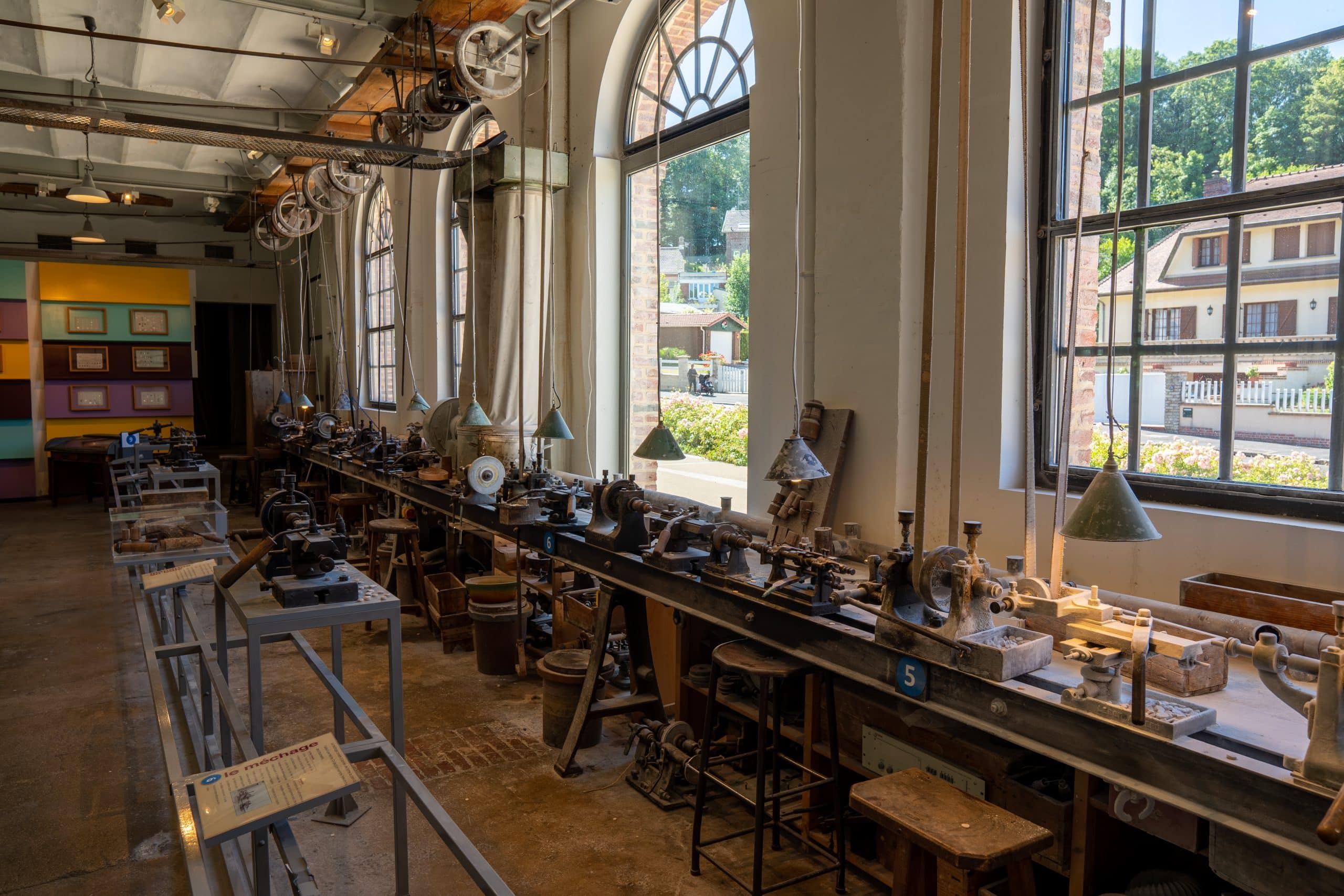
From the outset, the museum was designed as a living museum. Its workshops keep the craftsmen’s skills alive: dominoes, buttons and dice are still made here, and this know-how, unique in Europe, is sought after for the restoration of old works.
The collections, from old button-making machines to objects made by the craftsmen, bear witness to a remarkable cultural and industrial heritage. Workshops, family visits and an escape game extend the experience.